

Preparing for Surgery
Our team will provide specific instructions based on your procedure, but the following steps can help you feel prepared and ensure a smooth experience.
Preparing for Surgery
Our team will provide specific instructions based on your procedure, but the following steps can help you feel prepared and ensure a smooth experience.
Before Surgery
Complete your pre-operative clearance and any required testing.
Schedule your post-operative appointment with our office as instructed.
Arrange physical therapy if it is recommended for your procedure. In some cases, therapy may begin shortly after surgery, so scheduling your first appointment in advance is recommended.
Follow the instructions provided by your surgical and anesthesia teams regarding medications to take or avoid before surgery.
Arrange transportation. You will need a responsible adult to drive you home after surgery and, depending on your procedure and anesthesia, stay with you for the first 24 hours.
Follow the fasting instructions provided by your surgical or anesthesia team. In many cases, you will be instructed not to eat or drink after midnight.
Avoid alcohol and recreational drugs before surgery.
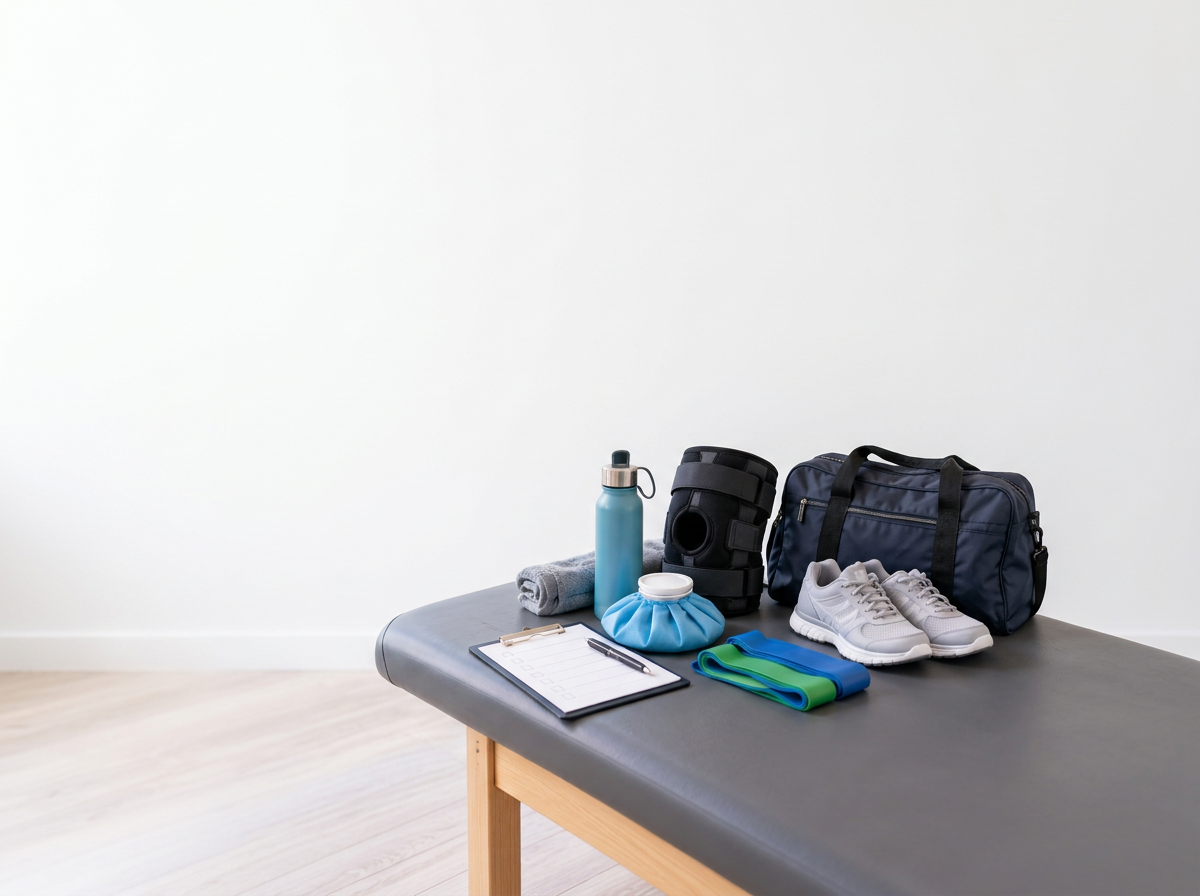
Obtain any recommended equipment, such as crutches, a brace, or other assistive devices, before surgery.
Pick up your post-operative medications from your pharmacy so they are available when you return home.
The Day of Surgery
Follow all instructions regarding eating, drinking, and medications.
Wear comfortable, loose-fitting clothing and leave jewelry and valuables at home.
Bring any required medical information and assistive devices.
If you use an inhaler, CPAP machine, or other medical equipment, bring it with you if instructed.
Inform the surgical team if you develop a fever, cold, infection, or other illness before your procedure.
Remove contact lenses, jewelry, piercings, and removable dental appliances before surgery.
A responsible adult must accompany you home following surgery. You should not drive yourself home or use a taxi or rideshare service alone.
After Surgery
Managing Pain After Surgery
Pain and swelling are expected after many orthopedic procedures. Your post-operative pain plan may include a combination of medications, ice or cold therapy, elevation, and physical therapy.
Take medications as directed by your surgical team.
Begin pain medication as instructed rather than waiting until pain becomes severe.
Use ice or cold therapy as directed to help reduce pain and swelling.
Avoid driving while taking opioid pain medication.
As your recovery progresses, your need for pain medication should decrease.
Wound Care
Proper wound care helps reduce the risk of infection.
Keep your surgical dressing and incision clean and dry according to your post-operative instructions.
Do not apply lotions, creams, or ointments directly to the incision unless instructed to do so.
Avoid soaking the incision in a bathtub, pool, or other body of water until your surgical team confirms that it is safe.
Follow your specific instructions regarding dressing changes, showering, and suture or staple removal.
Some drainage, bruising, and swelling can be normal after surgery. Contact our office if you notice increasing redness, drainage, significant swelling, fever, or other concerning changes.
Swelling & Elevation
Swelling is common following orthopedic surgery and can persist for several weeks.
Elevate the operated extremity when resting.
Use ice or cold therapy as instructed.
Avoid remaining in the same position for prolonged periods.
Begin walking and performing exercises as directed by your surgical and physical therapy teams.
For knee surgery, follow your specific positioning instructions to maintain and restore knee motion.
Every surgery and every patient is different. Your post-operative instructions will be tailored to your procedure, overall health, and recovery goals. If you have any questions, please call 315-779-6784.